The Eternal Prosperity of Akshaya Tritiya: A Guide to Abundance
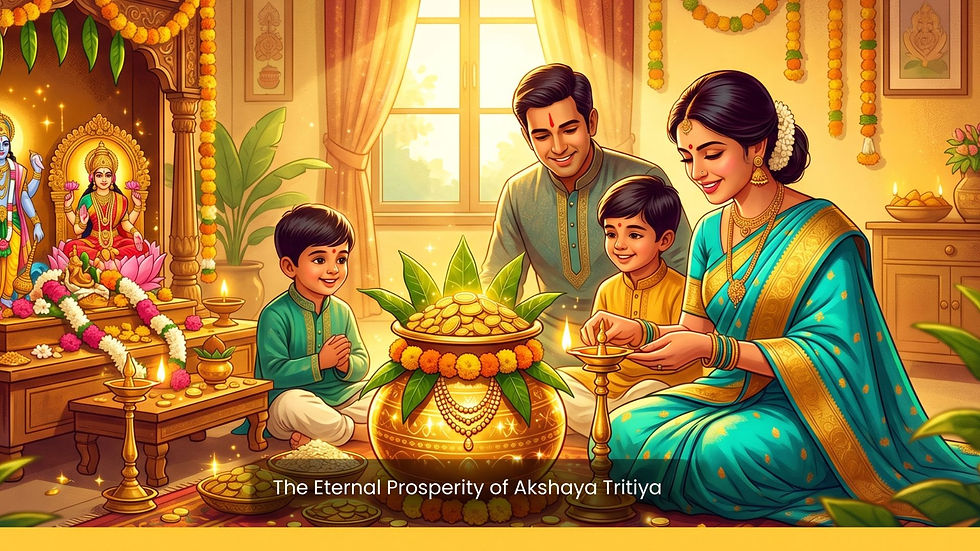
Imagine a day where every positive action you take is etched into the universe with a promise of permanence, shielded from the natural decay of time. This celestial window offers a rare alignment where the sun and moon both reach their peak of radiance, creating a portal for spiritual and material growth. Akshaya Tritiya stands as this beacon of hope and renewal, marking a moment in the Vedic calendar that promises undiminishing returns on every investment made with a pure heart.
The word "Akshaya" literally translates to "never diminishing" or "imperishable" in Sanskrit. Observed on the third lunar day of the bright half of the month of Vaisakha, this day is considered one of the most powerful "Muhurtas" or auspicious timings in the entire year. Unlike other days that require complex astrological calculations to find a lucky hour, this entire day is considered "Swayam Siddha," meaning it is inherently successful and requires no further verification for starting new ventures.
The Spiritual Significance of the Unending Day
When we delve into the spiritual roots of this occasion, we find that the merit (Punya) earned through good deeds on this day remains with the soul eternally. While many modern observers focus on the commercial aspects of the festival, the essence of अक्षय तृतय reminds us that true wealth lies in our capacity for charity and virtuous living. It is believed that any act of kindness, whether it is feeding the hungry or donating to a cause, multiplies a thousandfold on this specific date, securing one's karmic balance for years to come.
This day also marks the beginning of the Treta Yuga, the second of the four great eras in Hindu cosmology. It is the birthday of Lord Parashurama, the sixth incarnation of Vishnu, and the day when the holy river Ganga descended from the heavens to Earth. These legends reinforce the theme of "descent" or "manifestation," suggesting that high-frequency energy is more accessible to humanity during this time than at any other point in the lunar cycle.
Historical Legends and Vedic Origins

The historical weight of this festival is supported by the story of the Pandavas during their exile. It is said that Lord Krishna gifted Draupadi the "Akshaya Patra," a vessel that would never run out of food, ensuring they would never go hungry. In the context of modern astrology, practitioners often analyze the shadows that might hinder such abundance; for instance, when students ask what is rahu in the context of their birth charts, they are looking for the karmic obstacles that need to be cleared to access the flow of prosperity represented by this festival.
In addition to the legends of the Mahabharata, this day is significant because it was when Sudama, the childhood friend of Lord Krishna, visited Him in Dwarka. Though Sudama offered only a handful of puffed rice, Krishna's acceptance of this humble gift transformed Sudama’s poverty into unimaginable wealth. This story serves as a technical reminder that it is the "Bhav" or the intention behind the offering that triggers the "Akshaya" or unending nature of the reward.
Rituals and Traditions for Lasting Wealth
To harness the energy of this day, specific rituals are traditionally performed beginning at sunrise. Devotees often wake up during the Brahma Muhurta (the two hours before dawn) to perform a ritual bath and offer prayers to Lord Vishnu and Goddess Lakshmi. Lighting a ghee lamp and chanting the Vishnu Sahasranama are common practices intended to align the individual's vibration with the frequency of abundance.
Another vital tradition is "Daan" or the act of giving. Giving away water, umbrellas, clothes, or food is considered highly meritorious. The technical reason for this is the belief that by creating a vacuum through giving, you prepare the space to receive the infinite blessings the universe is ready to pour out. Many also perform "Pitru Tarpan" to honor their ancestors, believing that the blessings of the lineage are essential for the manifestation of material success.
Why Buying Gold is a Timeless Tradition
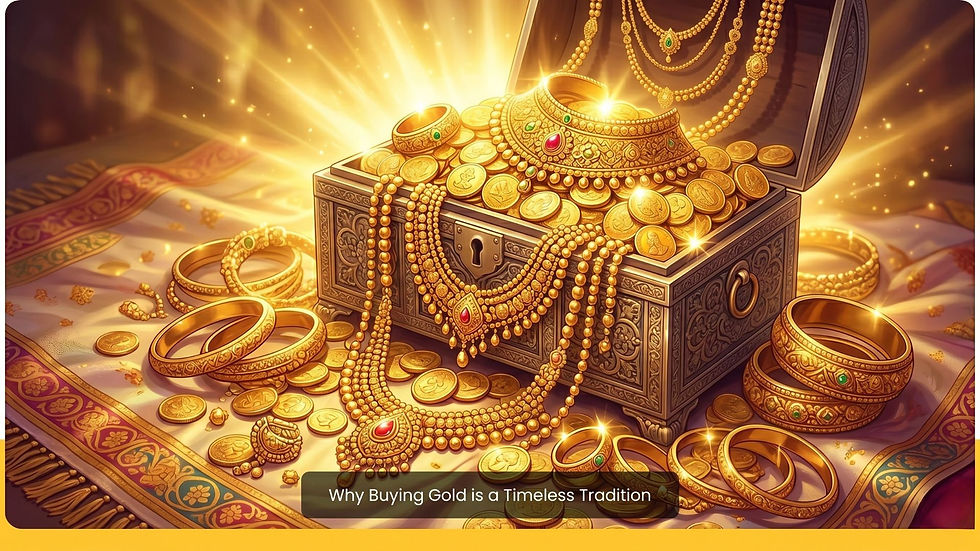
In contemporary times, the festival has become synonymous with the purchase of gold. Gold is seen as a physical manifestation of the sun’s energy and a symbol of Goddess Lakshmi’s presence. Buying even a small gold coin is thought to ensure that wealth continues to grow and stay within the household throughout the year. It is a tangible way for families to "anchor" the spiritual energy of the day into a physical asset.
Economically, this results in some of the highest gold sales figures globally, but the tradition remains rooted in the belief that gold purchased today will never be lost and will only multiply. From a wealth-management perspective, it encourages a disciplined approach to savings, where families invest in "hard assets" that have historically maintained their value against inflation and market volatility.
Navigating Astrological Transitions During the Festival

Because the sun is in its exaltation sign of Aries and the moon is in its exaltation sign of Taurus, the "royal" planets are at their maximum strength. This creates a state of "Uchcha" or high energy that can be used to override personal astrological setbacks. For those going through difficult planetary periods, such as Sade Sati or a heavy Rahu Mahadasha, the auspiciousness of this day acts as a natural remedy, providing a "clean slate" for new beginnings.
Astrologers suggest that this is the best time to start educational pursuits, sign business contracts, or perform a "Griha Pravesh" (housewarming). Since the energies are balanced and the cosmic environment is supportive, the usual risks associated with these major life decisions are significantly mitigated. It is a day where the universe is effectively "voting in your favor," provided your intentions are aligned with the greater good.
You can also watch: Manifestation Secret 🤫 Aise Karein Har Wish Puri | Powerful Technique 2026
Planning Your Future: Investments Beyond Bullion
While gold is the traditional favorite, modern practitioners are expanding their "Akshaya" investments into real estate, stocks, and even digital assets. The underlying philosophy remains the same: whatever is initiated today will have the strength to withstand the test of time. Setting up a long-term savings plan or starting a new health regimen on this day ensures that these habits become "Akshaya" undiminishing and permanent parts of your lifestyle.
Ultimately, the true goal of this festival is to remind us of our own infinite nature. We are not just physical beings seeking material gain, but spiritual entities capable of manifesting incredible abundance. By honoring the traditions, participating in charity, and making mindful investments, we align ourselves with the eternal flow of the universe. Embracing the spirit of Akshaya Tritiya allows us to step into a future where our prosperity is not just a seasonal peak, but a permanent state of being.
Frequently Asked Questions
Q: What is the most auspicious time to buy gold on this day? A: The most auspicious time, or Shubh Muhurta, typically lasts throughout the day, but the periods when the "Choghadiya" is Labh or Amrit are considered the absolute best for gold purchases.
Q: Can I start a new business venture if the moon is waning? A: Yes, because this day is "Swayam Siddha Muhurta," the inherent power of the date overrides common lunar concerns, making it an ideal time for any significant new beginning or business launch.
Q: Why is charity considered more important than buying gold? A: While gold represents material wealth, charity (Daan) generates spiritual merit that is "Akshaya" or imperishable. Vedic texts suggest that the karmic returns of giving on this day are infinite and eternal.



Comments